


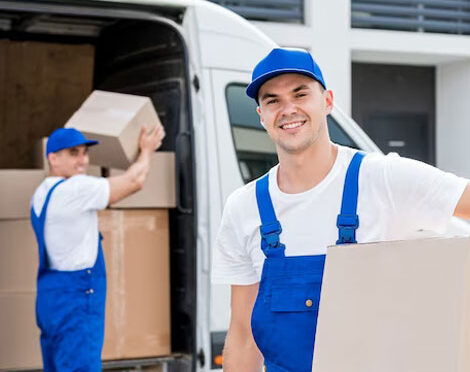
Why Proper Packing Matters for Fragile Items
When it comes to packing fragile items safely, the biggest risk is damage during transport. Even short-distance moves can cause cracks, breaks, or scratches if items are not packed correctly.
Proper packing helps you:
- Prevent breakage and damage
- Save replacement costs
- Improve safety during transport
- Keep items organized and labeled
- Make unpacking easier and faster
Professional movers always follow structured safe packing techniques to ensure zero damage during relocation.
Best Materials for Packing Breakable Items
Using the right materials is the foundation of safe moving and packing Australia. Here are the essentials:
- Bubble wrap
- Packing paper
- Strong cardboard boxes
- Packing tape
- Foam sheets
- Corner protectors
- Stretch wrap
- Dividers for glassware
- Labels and markers
- Cushioning peanuts
These materials help absorb shock and protect fragile items during transit.
Step-by-Step Guide to Packing Fragile Items Safely
Follow this simple process used by professionals:
1. Sort Fragile Items
Separate glass, ceramics, electronics, and valuables.
2. Wrap Individually
Use bubble wrap or paper to wrap each item separately.
3. Add Cushioning
Place soft padding at the bottom of the box.
4. Pack Smartly
Heavier items go at the bottom, lighter ones on top.
5. Fill Empty Spaces
Use foam or paper to avoid movement inside boxes.
6. Seal Properly
Use strong tape to secure all edges.
7. Label Clearly
Mark boxes as FRAGILE and indicate contents.
This method ensures strong safe packing techniques for all household items.
How to Pack Glassware, Dishes & Kitchen Items
Kitchen items are the most commonly damaged during relocation.
Follow these glassware packing tips:
- Wrap each plate separately
- Stack plates vertically, not flat
- Use dividers for glasses
- Fill cups with paper for support
- Avoid overpacking boxes
These packing tips for breakable items reduce pressure and prevent cracks during movement.
Packing Electronics and Valuable Items
Electronics require extra care during furniture protection during moving.
Best practices include:
- Use original boxes if available
- Wrap in anti-static bubble wrap
- Remove batteries before packing
- Label cables separately
- Avoid stacking heavy items on top
Televisions, laptops, and monitors should always be handled with extra cushioning.
Common Mistakes to Avoid During Packing
Many people damage items due to simple errors. Avoid these:
- Using weak or damaged boxes
- Overloading boxes
- Not labeling fragile items
- Skipping bubble wrap
- Mixing heavy and light items
- Leaving empty space inside boxes
- Using newspaper for delicate surfaces
Avoiding these mistakes ensures safe moving and packing Australia standards are met.
Professional Packing Services vs DIY Packing
While DIY packing is possible, hiring experts provides better safety.
DIY Packing:
- Cheaper
- Time-consuming
- Higher risk of damage
Professional Packing:
- Expert handling
- High-quality materials
- Insurance coverage
- Faster and safer process
For stress-free relocation, many customers prefer professional help from trusted movers like:
V Removalist Australia Pty Ltd
They offer reliable interstate packing services Australia with trained staff and safe handling of fragile items.
Final Checklist for Safe Packing
Before moving day, ensure:
- All fragile items are individually wrapped
- Boxes are clearly labeled
- Cushioning is properly added
- Heavy items are not mixed with fragile ones
- Electronics are safely disconnected
- Boxes are sealed tightly
- Essentials are kept separately
This ensures maximum safety during relocation.
Conclusion
Proper packing is the key to protecting your valuable and fragile items during any move. By using the right materials and following professional packing tips for breakable items, you can avoid damage and reduce stress.

